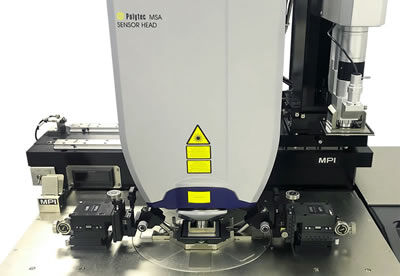
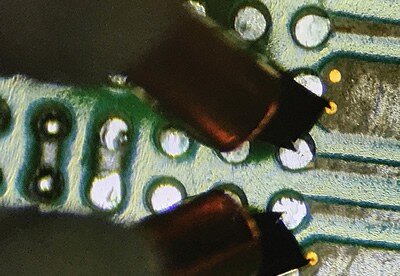
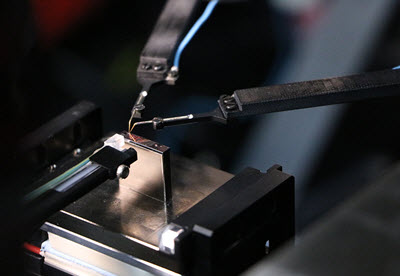
MPI QAlibria® RF校正ソフトウェア
MPIが長い間経験してきたウエハレベルでのRF校正およびマイクロ波測定に関する豊富な経験に基づいて生まれたのが、QAlibria® RF校正ソフトウェアです。Qalibria®は複雑で面倒なRF校正を簡単に実行します。
マルチタッチ式、多言語、グラフィック・ユーザインタフェースに加えて、NISTのマルチラインTRL校正法を取り入れることにより、ウエハレベルのRF校正に革命を起こしました。

マルチタッチ式
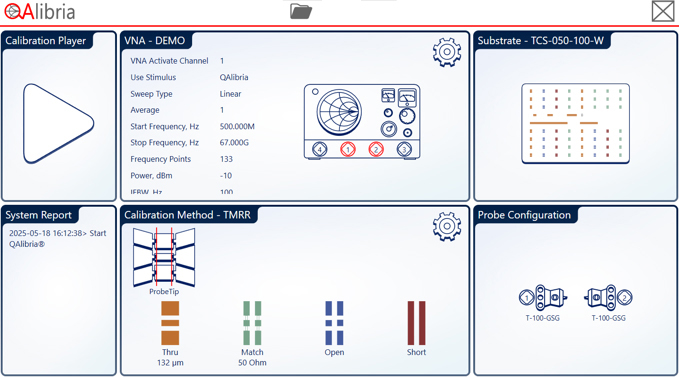
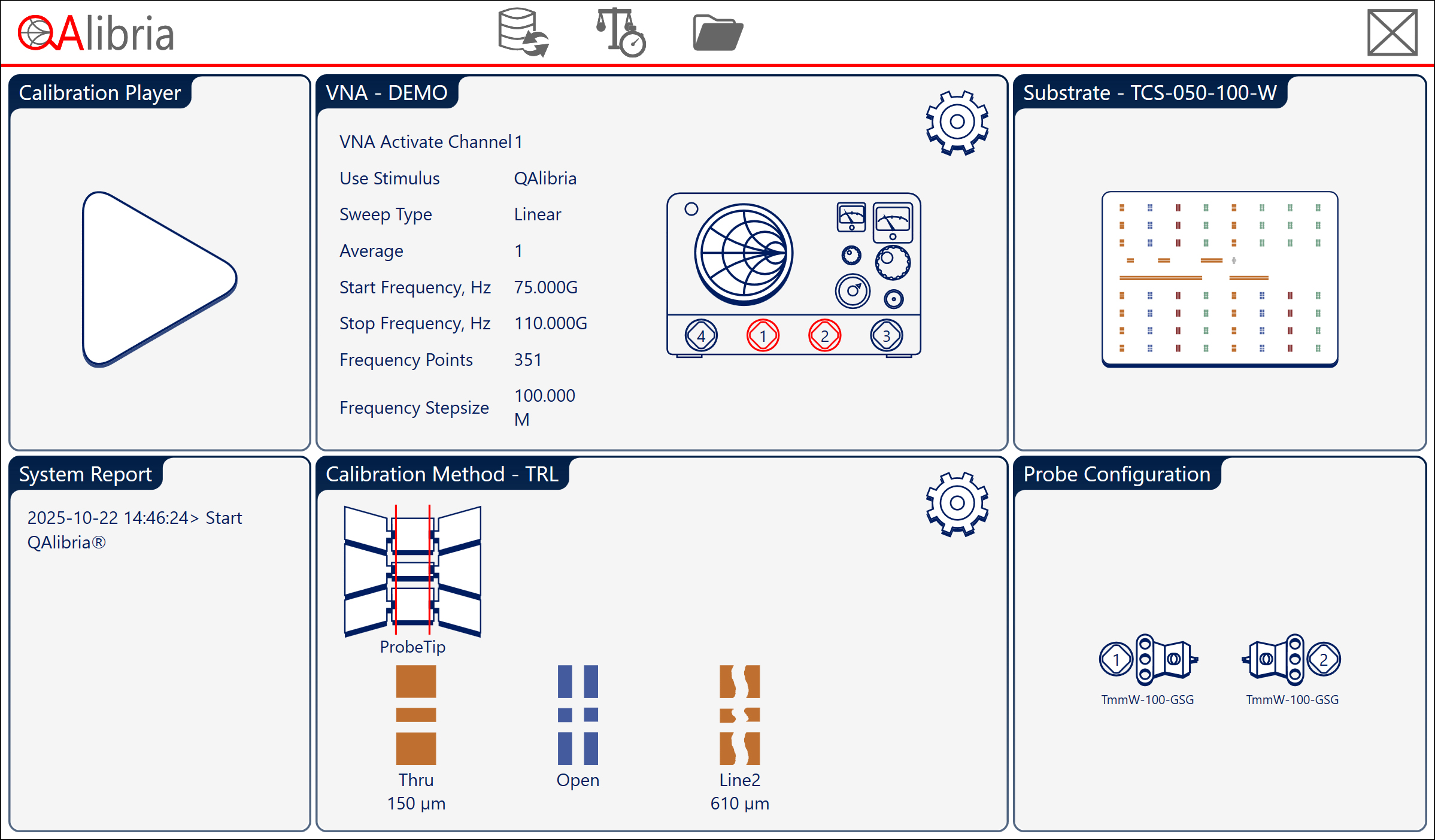
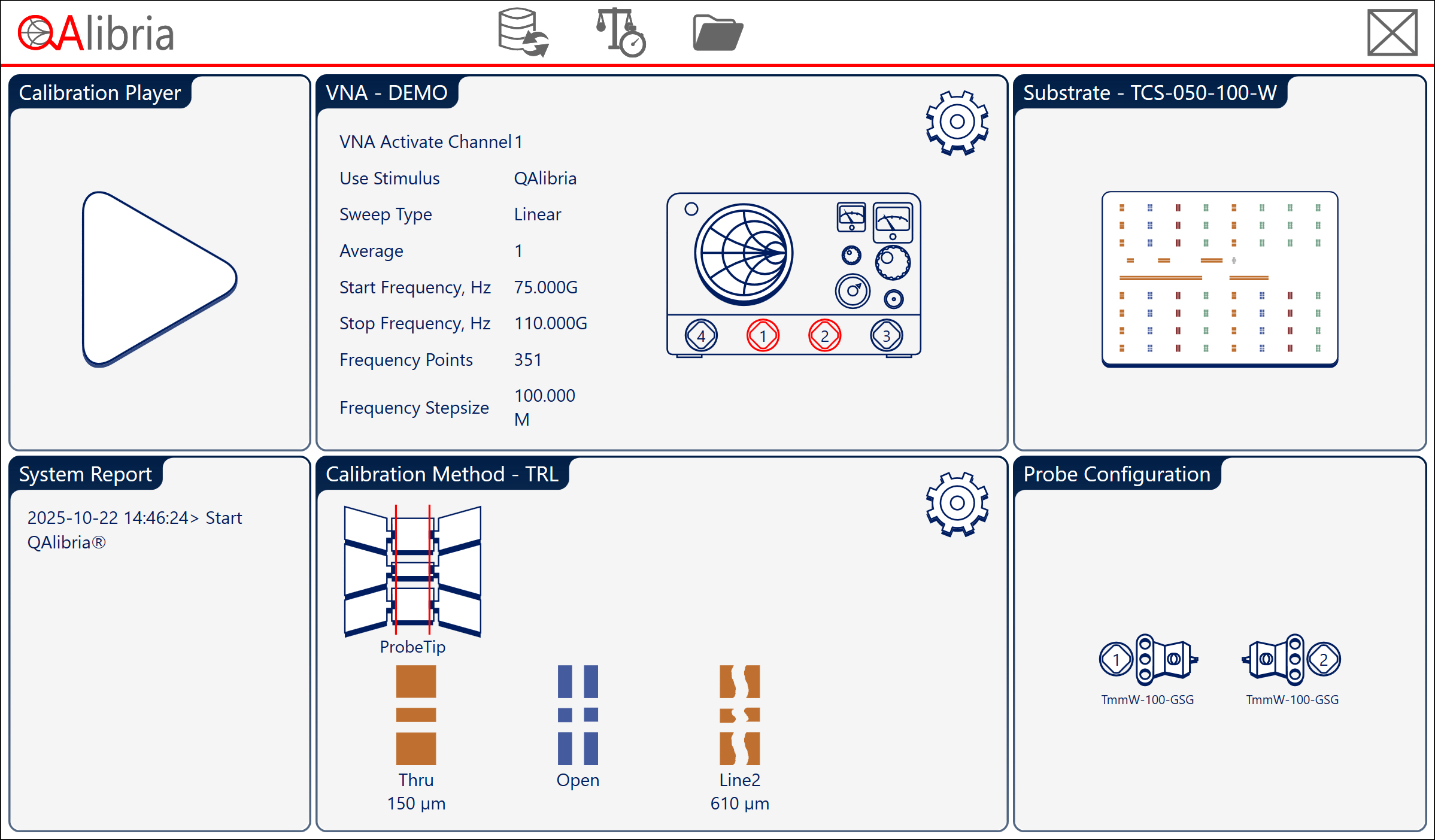
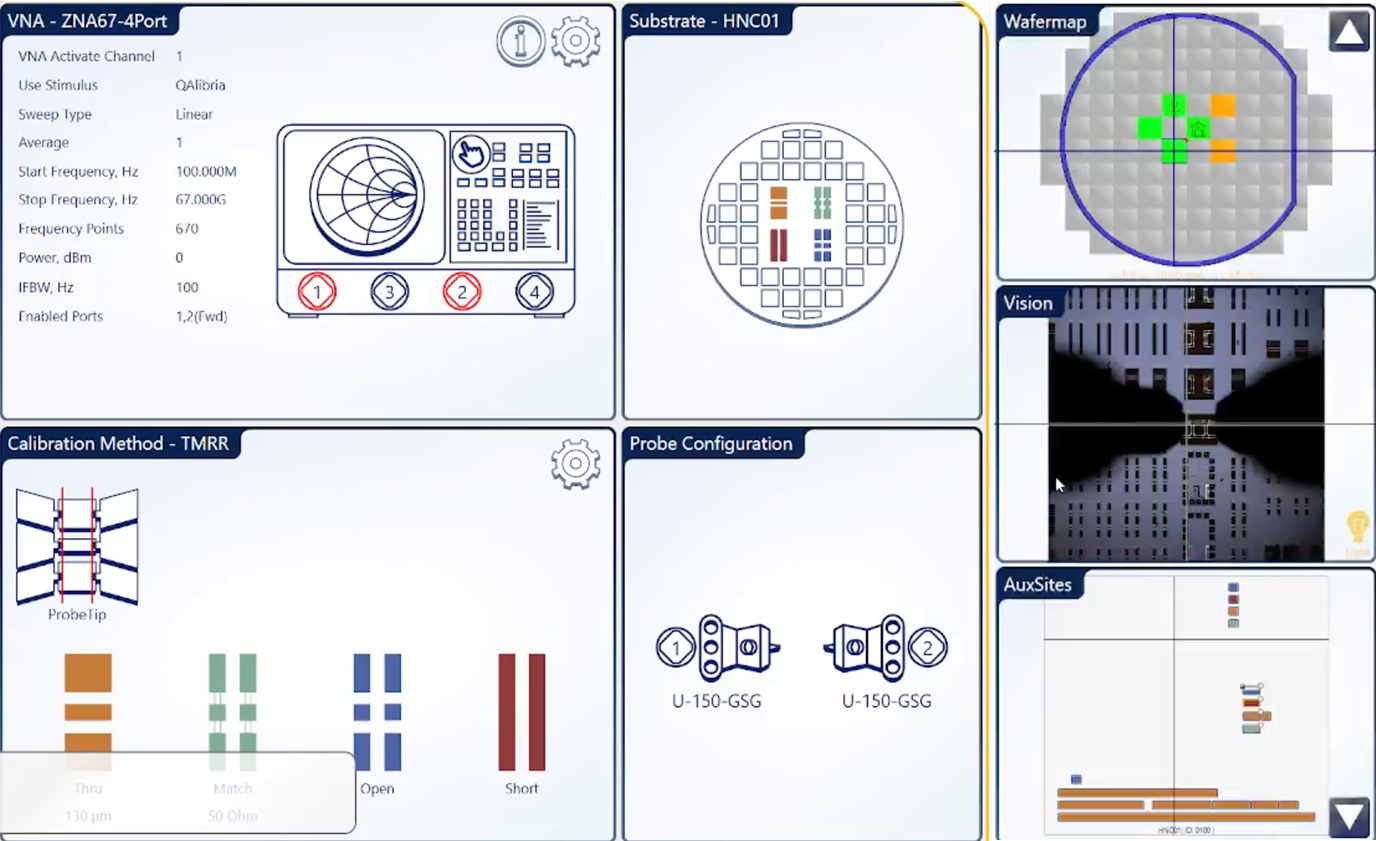
QAlibria®は使いやすさを追求して設計されており、先進的なマルチタッチ対応のシングル・ウィンドウ・インターフェースを採用しています。インテリジェントなGUIロジックが各操作ステップをガイドするため、熟練のエンジニアから一般のオペレーターまで、誰にでも容易に操作できます。その結果、日常的な測定作業すべてにおいて、簡潔で直感的なワークフローを実現します。
RR校正レポーティング・ツール
QAlibria®は時間のかかるレポート作成作業をワンクリックで完了できる、簡潔な操作へと変えます。すべてのRF校正データを自動的にバックアップし、測定結果と検証を含むWord形式のレポートを自動生成します。この便利なレポートにより、RF校正手順を手作業で記録する必要がなくなり、貴重なエンジニアリング時間を節約するとともに、測定のトレーサビリティを大幅に向上させます。


NIST StatistiCalおよびscikit-RFとの連携
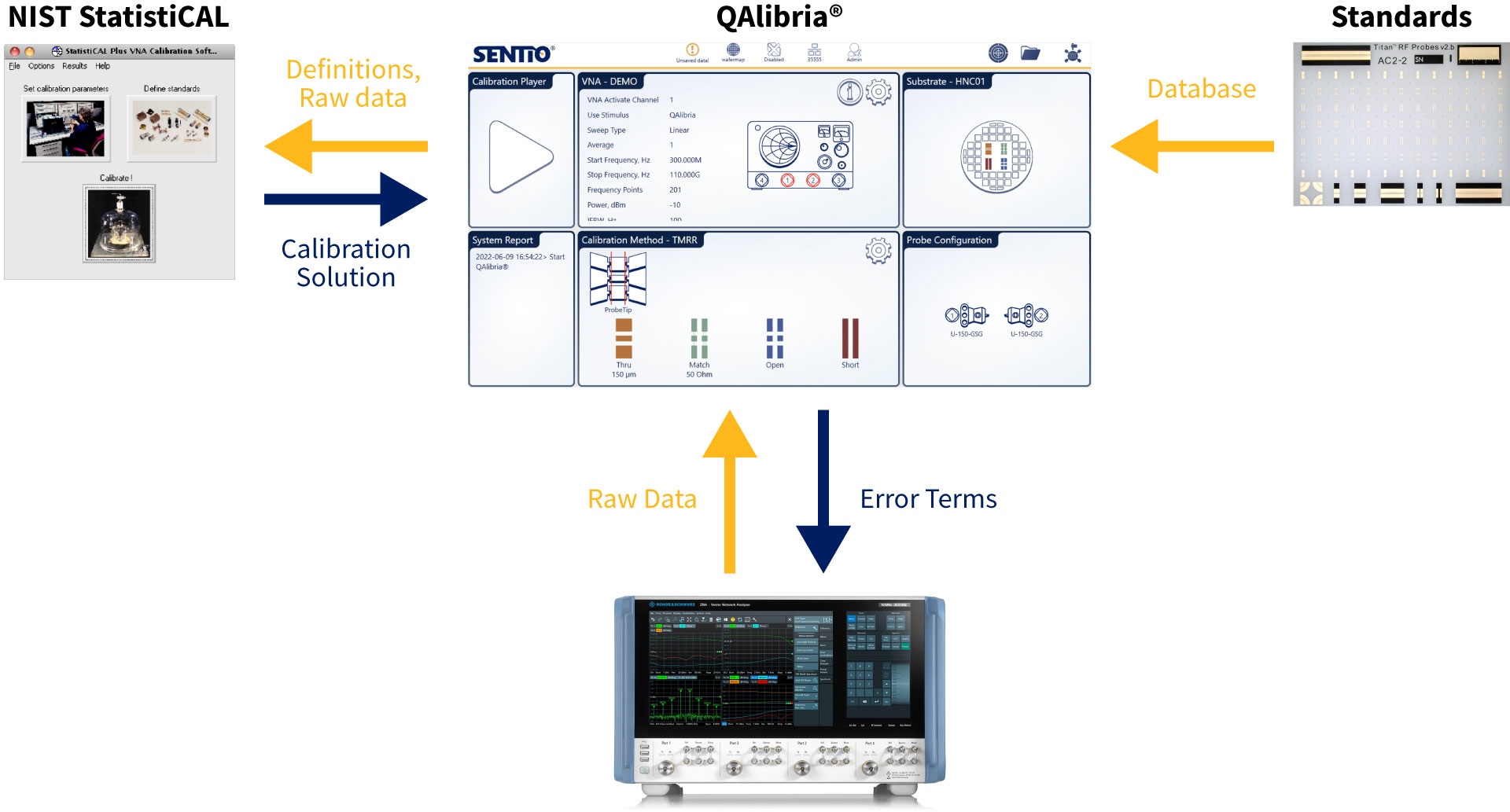
QAlibria®はNIST StatistiCALおよびPythonのscikit-RFライブラリと直接連携し、ユーザに最先端の校正アルゴリズムへのアクセスを提供します。これには、米国国立標準技術研究所(NIST)のmTRLおよびグラーツ工科大学(TUG)によるmTRLが含まれます。StatistiCALはNISTによって開発され、ミリ波およびテラヘルツ帯域におけるウエハ上RF校正の最高精度の測定法として利用されています。TUGのmTRL手法は、特にPCBベースのRF校正において、線路の分散や変動が大きな課題となる場合に、RF校正プロセスの堅牢性を向上させます。
QAlibria®では、これら強力な手法がすべてシンプルなワークフローに完全統合されており、RF校正に詳しくない方でも容易に活用できます。
標準オンウエハRF校正ワークフロー
SENTIO®との完全統合により、QAlibria®はオンウエハRF校正フローの中核エンジンとして機能します。SENTIOはカスタム・オンウエハ標準に対応しており、QAlibria®はMPIのTMRRやマルチラインTRLを含む最先端のRF校正法を使用可能です。これらの手法はカスタム基板での作業に最適化されています。
このソリューションにより、ミリ波帯域および広い温度範囲にわたって測定精度とRF校正の安定性が大幅に向上します。再校正の必要回数を削減し、極端な条件下でのハイエンドRF校正も、通常操作と同じくらい容易に実行できるようになります。
データとRF校正の検証
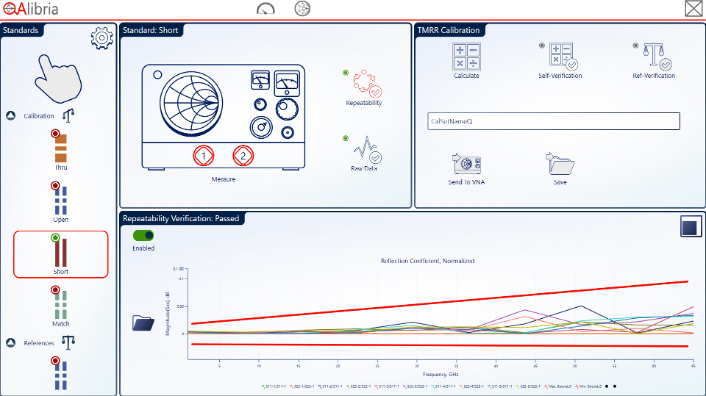
QAlibria®は各重要ステップでデータを検証し、標準測定の再現性と一貫性、さらにRF校正の精度を確保します。測定システム固有の構成にも容易に適応し、接触不良、ケーブル損傷、VNAの不具合、設定ミス、操作ミス、不良な標準器などの問題を検出できます。直感的なマルチタッチ対応ビジュアルインターフェースは明確な合否基準を提示し、専門家には精密な基準設定を可能にするとともに、経験の浅いユーザにも安全でガイド付きの操作フローを提供します。
その結果、信頼性の高いRF校正と測定を実現します。
ドリフト監視
QAlibria®の柔軟なシステムドリフト監視機能は、特定のデバイス特性評価タスクに関連する測定条件へ容易に適応します。システムの再RF校正が必要となるタイミングを明確に示す定性的フィードバックを提供し、手動操作と自動測定の両方(リモート制御を含む)をサポートします。
これにより、複雑なワークフロー、例えば複数温度での自動テスト(ATMT™)などが簡素化され、取得したデータに対して完全な信頼を確保できます。
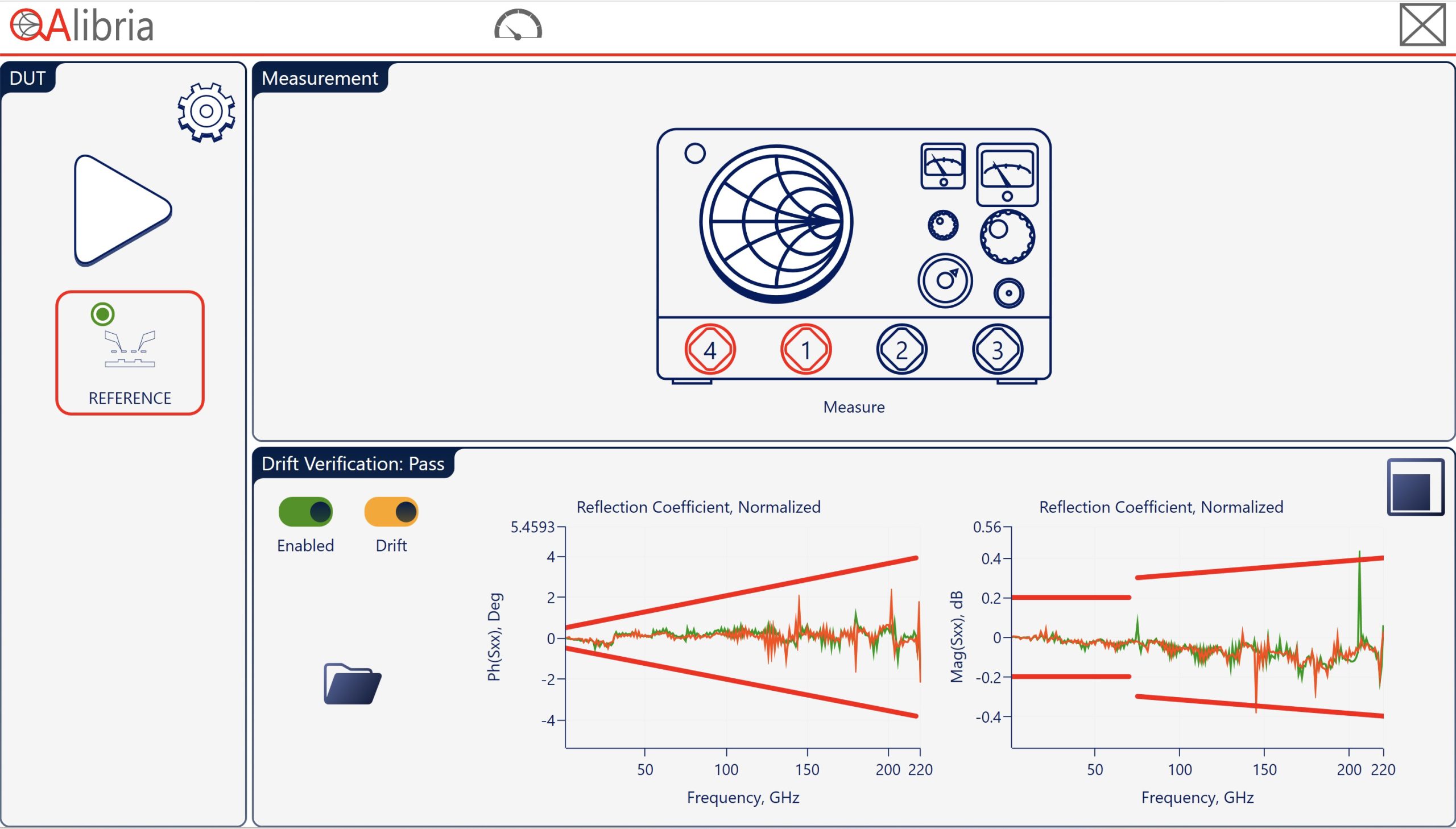
オープン・データベース
QAlibria®は、プローブおよびRF校正基板のパラメータ用にオープン・データベースを備えています。MPI TITAN™プローブ・ファミリー全体や対応するRF校正基板、さらに他社製品のほとんどの構成に対応しています。データベースは容易に編集でき、オンウエハ用のカスタム標準器を追加することも可能です。
この柔軟性により、QAlibria®は、ほぼあらゆるシステムでRF校正を実行できるようになります。


MPI の TMRR RF校正手法
MPIのTMRRアルゴリズムは、カスタム・オンウエハ標準器やミリ波・高温特性評価の課題に対応する次世代RF校正手法です。TRMアプローチに追加の反射測定とデータ冗長性を組み込むことで、TMRRは結果の堅牢性、一貫性、再現性を向上させます。最大220 GHzまでの動作が実証されており、要求の厳しいオンウエハ用途においても、安定かつ信頼性の高いワークフローを提供します。